Toll Free: 800-527-0709
HOURS: 8 a.m. to 5 p.m. Mon-Sun
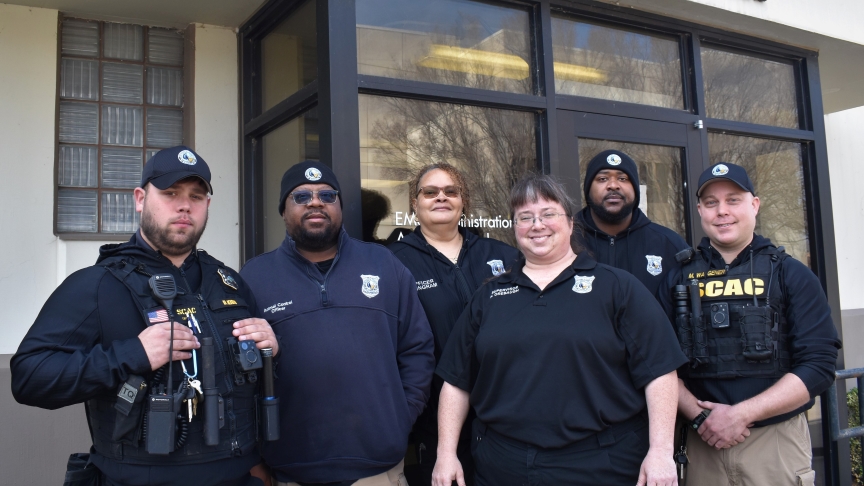
The Animal Control Department enforces
Sedgwick
County codes
on the housing and care of animals, and ensures that animals and
their remains do not pose a health or safety hazard to County
residents. The enforcement activities include returning stray dogs
to their owners, returning loose cattle to fenced pastures,
investigating animal cruelty or violations of dangerous animal
laws, and removing deer carcasses from County rights-of-way.
Mission
Protecting the health and safety of the community from dangers and nuisances caused by stray and or threatening animals, and to ensure the proper care and safety of animals.
News and Events
Spay and Neuter Your Pets
Each year, animal shelters across the nation care for millions
of homeless animals, the majority of which will be put to death if a home cannot
be found for them. In fact, approximately 65% of animals, that’s 20,000 per day,
checked into a shelter will not go home, and these numbers are on the rise.
Animals that run free in our communities also pose a potential health and/or
nuisance risk for residents.
To help reduce the number of animals at large and those that will be euthanized,
Sedgwick County Animal Control encourages pet owners to spay and neuter their
animals immediately after purchase or adoption. It also is imperative that an
animal’s rabies vaccination and license remain current.
Adopting animals from shelters is an intelligent choice because many shelters
provide spay and neuter services when you adopt an animal or include the cost of
doing so by a private veterinarian in the price of adopting the animal.
Spay and neutering are humane procedures that usually cause very little
discomfort and recovery time for the animal. Pet owners have the responsibility
to care for their animals appropriately, as well as any offspring they might
produce. Prevention is the best way to ensure the health and well being of the
animals in our communities.
Why Vaccinate?
Animals, such as skunks and bats and even stray pets are more prevalent in
the unincorporated areas of Sedgwick County. These animals are more likely to
carry rabies and other diseases that can harm your pets. Any licensed
veterinarian can provide a vaccine to your pet.
If your dog or cat is at least five months old and lives in the unincorporated
areas of Sedgwick County, you must vaccinate your pet against rabies each year
by a veterinarian. Owners must:
- Have your dog's or cat's metallic vaccination tag secured to the collar, which shall be worn at all times.
- Have in your possession the vaccination certificate or veterinarian's confirmation.
- Show the vaccination certificate or veterinarian's confirmation immediately upon the request of an animal control officer, code enforcement officer, or other authorized person.
Only rabies vaccines valid for one year shall be administered. Rabies vaccinations will be considered current for 12 months following the date of vaccination.
Licensing is the Law
Owners of dogs must obtain a license from Sedgwick County if the owner
resides in the unincorporated areas of Sedgwick County. Otherwise, licenses must
be obtained from the owner’s municipality. Ask your veterinarian for help
obtaining a license or you can follow the steps below.
Obtaining a License:
- Visit Sedgwick County Animal Control at 1015 Stillwell in Wichita and fill out the license form – call 660-7070 to schedule an appointment.
- Write down your dog’s vaccination tag number from the metallic tag and bring it with you.
- Bring the vaccination certificate from your vet.
- Bring the appropriate license fee payment - $12 for a spayed or neutered dog and $22 for a non-spayed or non-neutered dog. Cash, checks and credit cards are accepted.
- Be prepared to provide your name, address and phone number.
- Be prepared to sign a statement that the dog has never previously been determined to be a dangerous or vicious animal.
Pet Care at Home
Watch the Weather
Animals often are more resilient to changing weather, but extreme weather
affects them as much as it affects their owners.
When temperatures rise:
- Bring your pets inside – if it’s too hot for you, it’s too hot for your pets.
- Provide plenty of fresh water – if you wouldn’t drink it, your pets shouldn’t either.
- Make sure your pet has access to a shaded area while outdoors.
When temperatures fall:
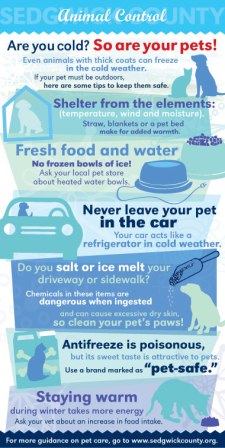
- Bring your pets inside – even animals with thick coats can freeze in cold weather. If your pet is shivering, it’s too cold for them.
- A dog house should be insulated and the opening should face south.
- Check to make sure your pet’s water isn’t frozen.
Fences, Houses and Chains - Animals need room to roam. Do your fences, houses and chains meet county guidelines?
Fences
- Dogs must remain on leashes or in fenced yards when outdoors.
- Dogs should not be able to jump over fences or squeeze through openings.
Houses
- Insulated houses, especially in the winter, are important for your dog.
- Splinters, jagged edges, exposed nails and holes should be repaired.
- Bedding should be washed regularly and kept dry.
Chains – It is best to not leave a dog tied up, but if you must:
- Allow 10 or more feet in chain or rope to let your dog move around easily.
- Make sure the chain or rope is an appropriate size; if it’s too heavy, it can harm your pet.
- Check to make sure your dog can’t get hung up on a fence, deck or other obstruction that might cause harm.
- Make sure your dog can reach shade, water and protection from the weather.

© Copyright, 2010 Sedgwick County, Kansas
Please report problems to the webmaster
ALL RIGHTS RESERVED