
Mosquitoes
Summer and fall are mosquito season!
Sedgwick County Health Department partners with the KDHE to monitor mosquitoes in Sedgwick County
- KDHE tests mosquitoes in Kansas for West Nile virus.
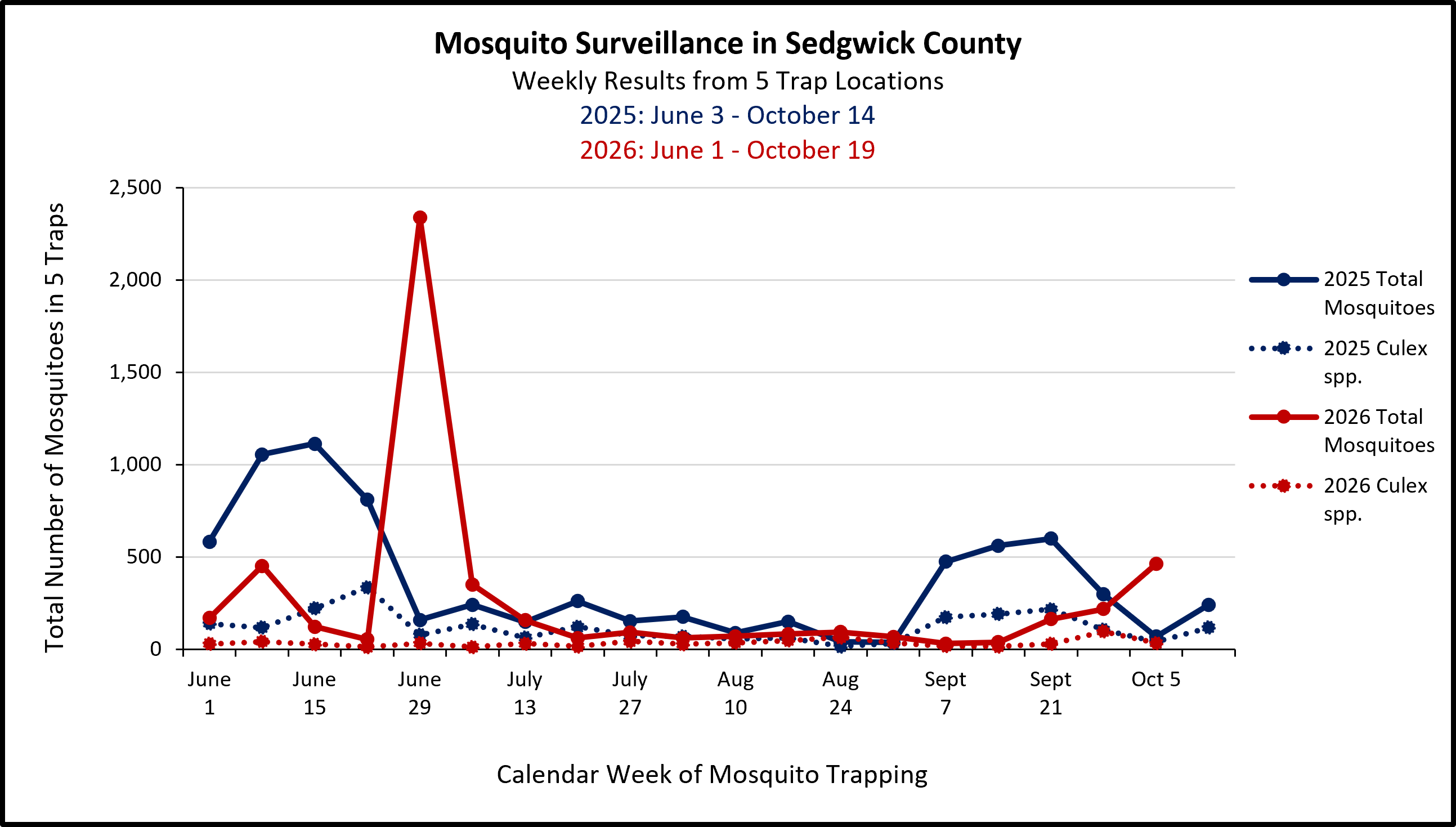
- Summer surveillance is done on a weekly basis from June through October. (See Weekly Mosquito Report.)
- The Sedgwick County Health Department has 6 mosquito traps around the county.
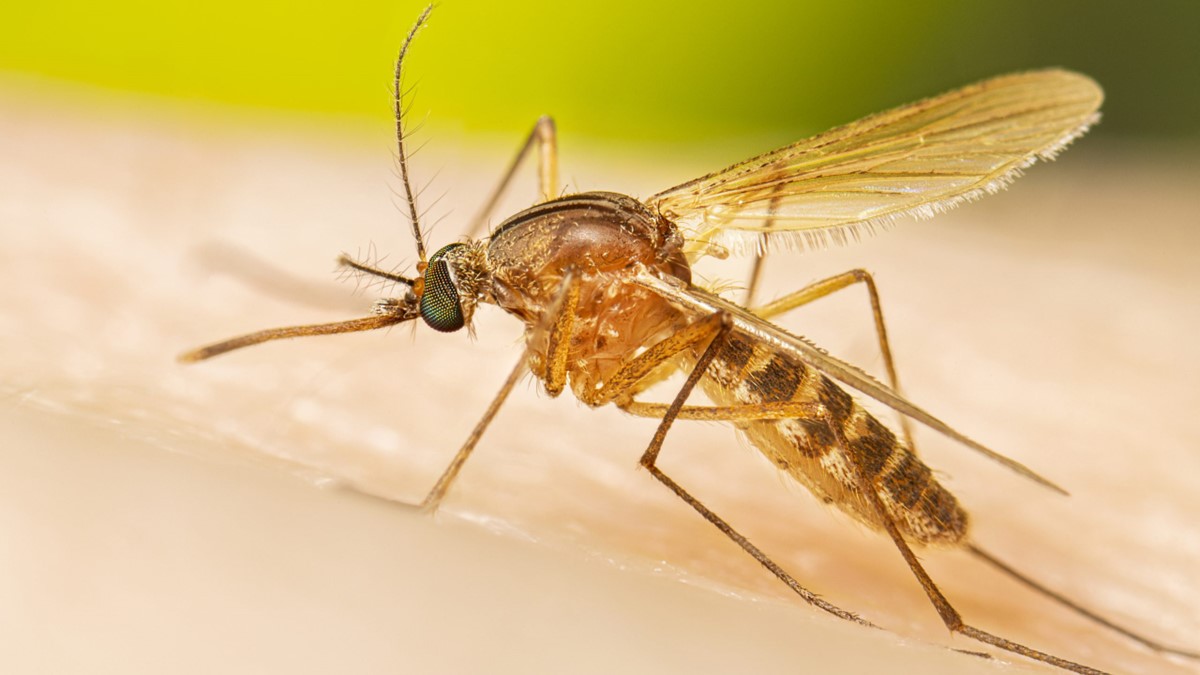
The Culex species mosquitoes are the primary vector (living organism that carry and transmit diseases to humans and animals through their bites), such as West Nile Virus (WNV).
See the Culex Mosquito's Lifecycle: English | Spanish
- Page Last Updated: October 7, 2026
- Reporting Week Ending: October 5, 2026
This is the last report for the 2026 season.
| Mosquito Monitoring Information | Data |
|---|---|
| Traps Monitored | 05 |
| Mosquitoes Collected | 220 |
| Number of Culex Mosquitoes | 97 |
| Percentage of Culex Mosquitos | 44% |
| West Nile Virus (WNV) Pools Tested | 02 |
| Positive Pools | 0 |
| Human WNV Cases | 2 |
PREVENTION IS KEY
Prevent mosquito bites by remembering the three D’s: DRAIN, DRESS, DEET.
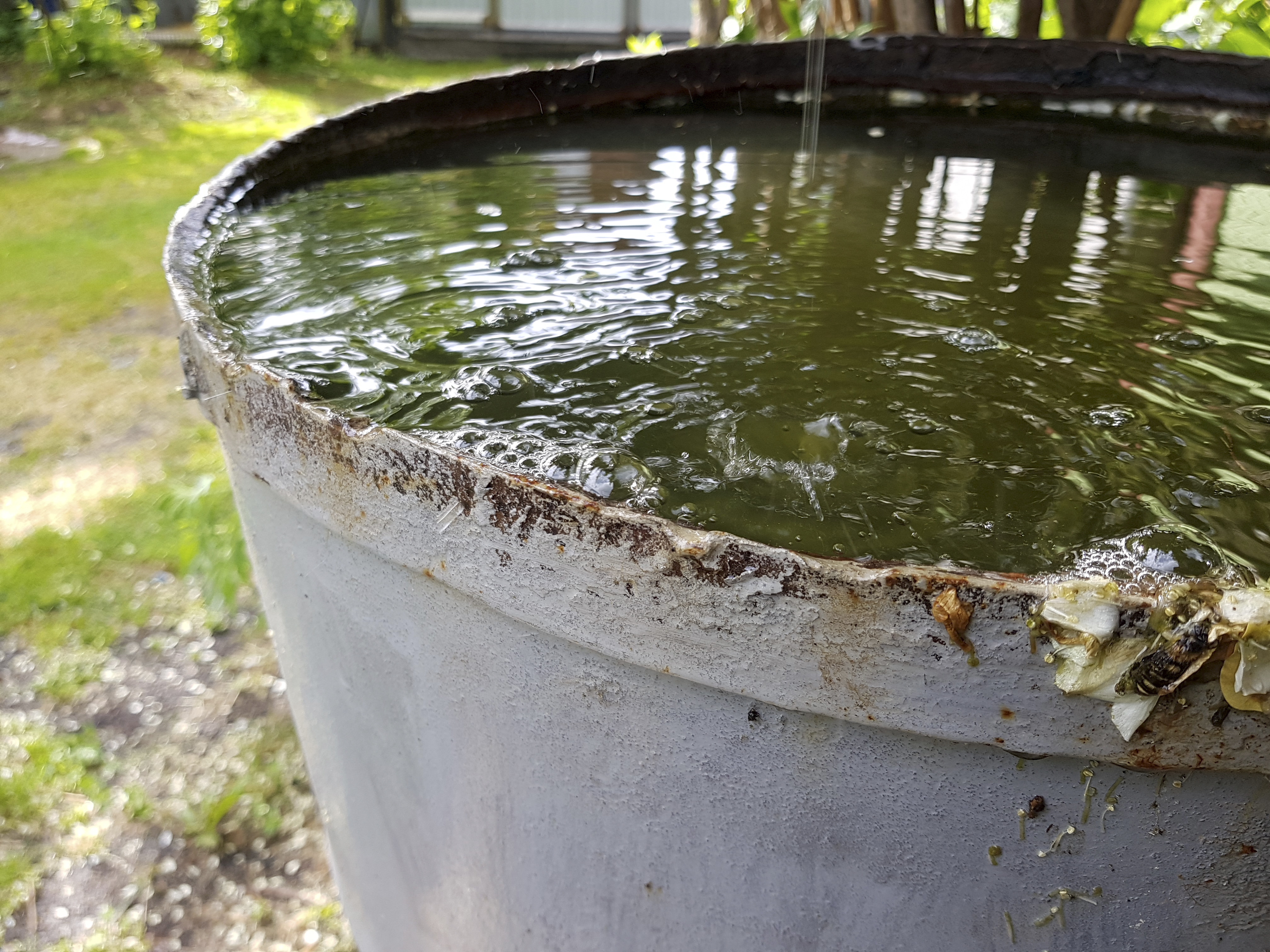
DRAIN: Empty standing water around homes—mosquitoes lay eggs in stagnant water.
- Use larvicides (like mosquito dunks) to treat standing water that:
- Cannot be covered, dumped or removed
- Will not be used for drinking
- Refresh pet water bowls and kiddie pools every 3 days.
- Check and repair window and door screens to keep mosquitoes out.
- SCHD offers Mosquito Dunks®** at no cost. Call during normal business hours to arrange pick-up at 316-660-7300.
DRESS: Wear long sleeves and pants when outdoors, especially during dawn and dusk when mosquitoes are most active.
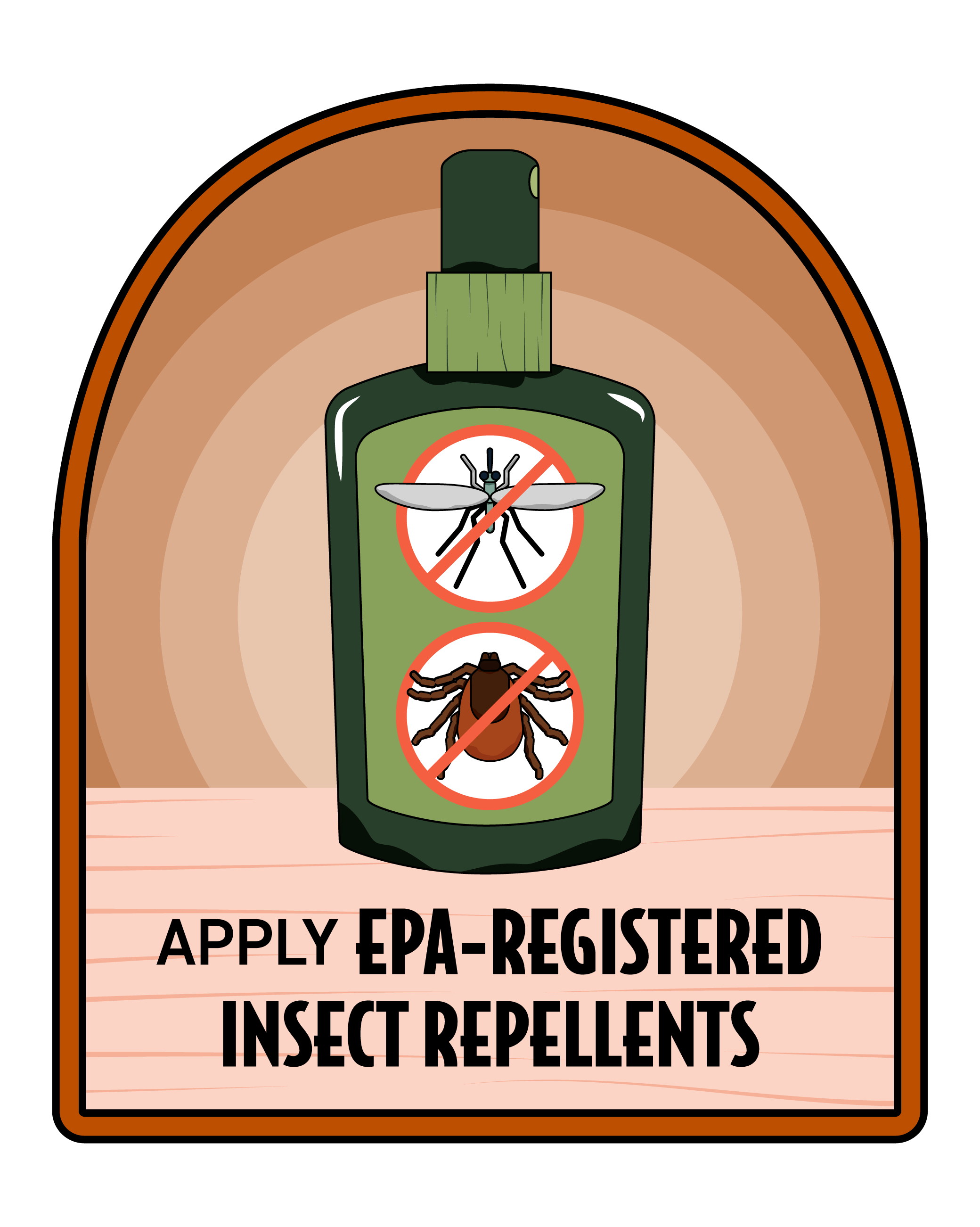
DEET: Use EPA-approved insect repellents on skin as needed
- Use repellent that contains 20 percent or more DEET, on exposed skin for protection that lasts several hours.
- Parents should apply the product to their children, avoiding hands, eyes, and mouth.
- Follow label directions. Do not over-apply.
- Never use products containing DEET or citronella on pets as they can be toxic.
- Always use products specifically designed for your kind of pet. For example, only use products made for dogs on your dog and products made for cats on your cat.
- Talk to your veterinarian about the best options for protecting your pet from mosquitoes that carry disease (such as heartworm).
Use products that contain permethrin on clothing. Treat clothing and gear, such as boots, pants, socks and tents.
| Chikungunya* (CDC) |
| Dengue Fever |
| Heartworms in Animals* (CDC) |
| Malaria* (CDC) |
| Yellow Fever* (CDC) |
| West Nile Virus (WNV) |
| Zika Virus |
*External Links
Click on the image below to use the Environmental Protection Agency's (EPA) Insect Repellent Search Tool* to find the repellent that is right for you.
FAST FACTS
- In Kansas, the main mosquito species that carry West Nile virus are the Culex species mosquitoes. Read more about the Culex species here: Culex Species
- West Nile virus (WNV) is the most common mosquito-borne disease in Kansas and the United States.
- Female mosquitoes bite people and animals to get a blood meal. Most female mosquitoes cannot produce eggs without a blood meal.
- Male mosquitoes do not bite people and animals.
- Mosquitoes need water to breed. They don’t lay their eggs in the air or on the ground.
- Larvicides are chemicals used to kill young mosquitoes before they grow into adults. They are put directly into water where mosquitoes lay eggs or where the baby mosquitoes (called larvae) live. When used properly, larvicides can help lower the number of mosquitoes by stopping new ones from being born.
- Adulticides are products that kill adult mosquitoes. These can be sprayed by hand, from trucks, or even from airplanes. When used the right way, adulticides can quickly reduce the number of adult mosquitoes in an area. This helps protect people from mosquito bites and diseases like West Nile Virus.
NOTE: While the county does not use adulticides or conduct mosquito spraying, individual cities within the county may choose to implement their own mosquito control measures
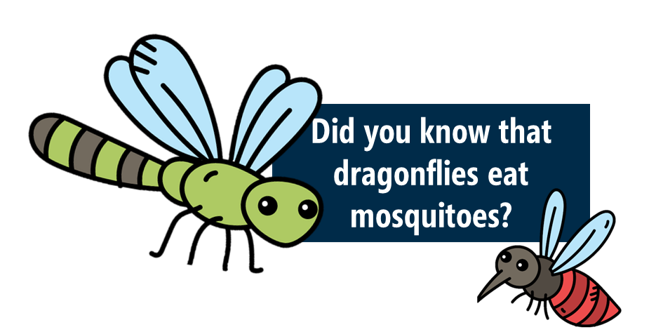
FUN FACT
* External Link
** The Sedgwick County Health Department provides no-cost Mosquito Dunks® to residents as part of our mosquito prevention program. These contain a naturally occurring bacteria (Bti) that targets mosquito larvae. For more information about how they work, visit the manufacturer's website here.*
NOTE: The county does not endorse any specific brand.