
Pneumococcal Disease
Quick Links
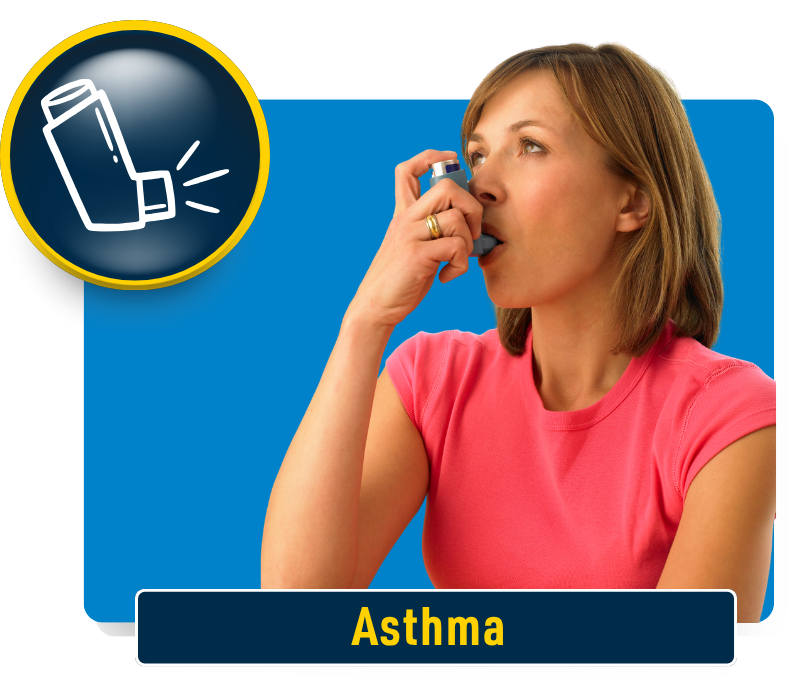
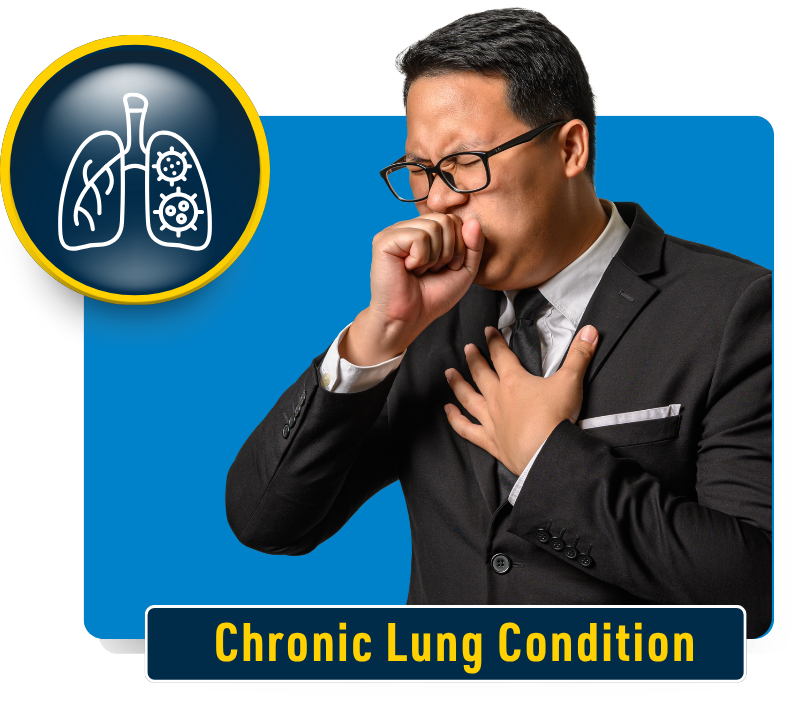
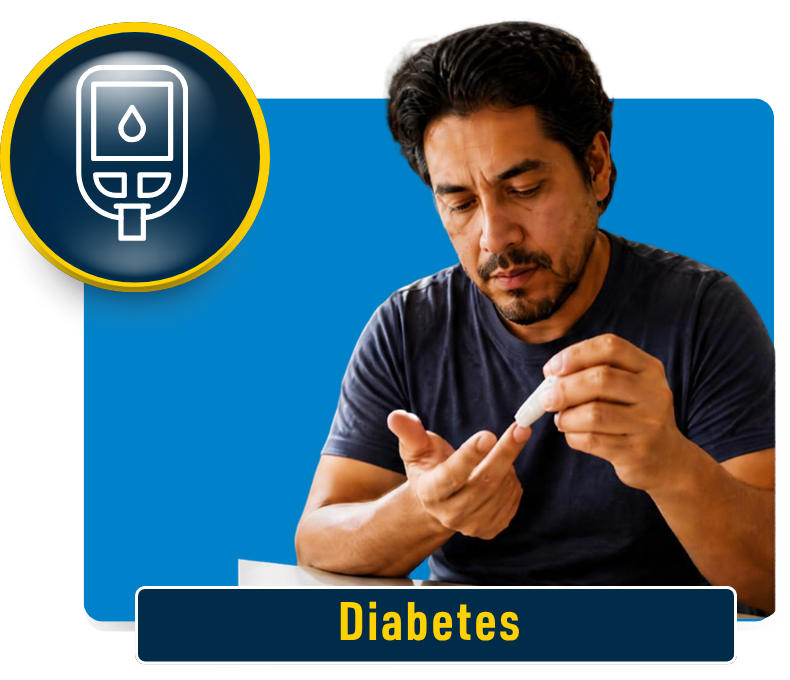
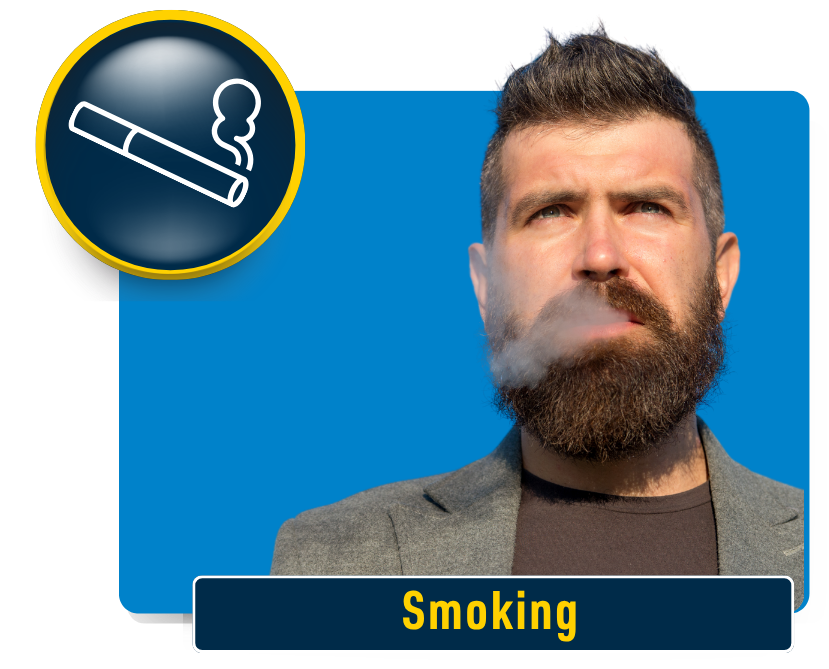
If you have asthma, COPD, emphysema, another chronic lung condition, diabetes, or smoke cigarettes, ask whether pneumococcal vaccination is recommended for you.
To ask about PCV20 vaccine availability through Sedgwick County Health Department, call (316) 660-7300.
Talk with a healthcare provider about symptoms, testing, treatment, and vaccines recommended for you or your child.
Pneumococcal disease is an infection caused by bacteria called Streptococcus pneumoniae, also called pneumococcus.
These bacteria can cause mild infections, such as ear and sinus infections. They can also cause serious infections, including pneumonia, bloodstream infections, and meningitis. Meningitis is an infection of the lining around the brain and spinal cord.
Anyone can get pneumococcal disease. However, young children, adults age 50 and older, and people with certain health conditions are more likely to become seriously ill.
Pneumococcal bacteria can spread through contact with saliva or mucus, such as when a person coughs, sneezes, or has close contact with others.
Some people can carry the bacteria in their nose or throat without feeling sick.
Symptoms depend on the part of the body that is infected.
| Disease/Condition | Symptoms |
|---|---|
| Pneumonia | Cough, fever or chills, chest pain, fast breathing, or trouble breathing |
| Meningitis | Fever, headache, stiff neck, confusion, and sensitivity to light |
| Bloodstream infection | Fever, chills, confusion, or unusual sleepiness |
| Ear infection | Ear pain, fever, sleepiness, or a red and swollen eardrum |
| Sinus infection | Facial pain or pressure, stuffy or runny nose, headache, cough, sore throat, or bad breath |
Anyone can get pneumococcal disease, but the risk is higher for:
- Children younger than 5 years old
- Adults age 50 and older
- People with asthma
- People with COPD, emphysema, or another chronic lung condition
- People with diabetes
- People who smoke cigarettes
- People with chronic heart, kidney, or liver disease
- People with alcohol use disorder
- People with a weakened immune system
- People with HIV, cancer, a transplant, no spleen, sickle cell disease, or certain blood disorders
- People with a cochlear implant or a leak of fluid around the brain and spinal cord
Adults ages 19 through 49 with asthma, chronic lung disease, diabetes, or cigarette smoking may be recommended to receive pneumococcal vaccine.
Vaccination is the best way to help prevent serious pneumococcal disease.
You can also help reduce the spread of respiratory germs:
- Wash your hands often with soap and water.
- Cover coughs and sneezes with a tissue or your elbow.
- Stay home when you are sick, when possible.
- Avoid sharing drinks, eating utensils, or other items that touch the mouth.
- Keep up to date on recommended vaccines, including flu and COVID-19 vaccines.
- Do not smoke. If you smoke, talk with a health care provider about quitting.
CDC recommends pneumococcal vaccination for:
- All children younger than 5 years old
- Children and adults ages 5 through 49 with certain health conditions or risk factors
- All adults age 50 and older
The vaccine recommended for you depends on your age, health conditions, risk factors, and previous pneumococcal vaccines.
For adults who have not received a pneumococcal conjugate vaccine before, CDC recommends one of these options:
- PCV20 or PCV21: Usually one dose completes the recommended vaccine series.
- PCV15: Requires another vaccine, called PPSV23, at a later date.
You may still be eligible even if you received a pneumonia vaccine in the past.
Talk with a healthcare provider or call Sedgwick County Health Department to review your vaccine history.
Sedgwick County Health Department provides the PCV20 pneumococcal vaccine at no cost to eligible uninsured adults.
For insured adults, SCHD will bill insurance. Most insurance plans, including Medicare and Medicaid, cover recommended pneumococcal vaccines. Check with your insurance plan to confirm coverage and any out-of-pocket cost.
Call Sedgwick County Health Department at (316) 660-7300 to ask about eligibility, appointment availability, and cost.
People with asthma, chronic lung conditions, diabetes, or a history of cigarette smoking have a higher risk of serious pneumococcal disease.
- If you are age 19 through 49 and have one of these risk factors, you may be recommended to receive pneumococcal vaccine.
- All adults age 50 and older should talk with a health care provider about pneumococcal vaccination.
Pneumococcal disease can lead to pneumonia, hospitalization, bloodstream infection, meningitis, long-term health problems, or death.
Protect yourself from serious illness.
Ask your health care provider if pneumococcal vaccination is recommended for you.

- Pneumococcal disease is caused by bacteria, not a virus.
- Pneumococcal vaccines are sometimes called “pneumonia vaccines,” but they protect against more than pneumonia.
- People can get pneumococcal disease more than once.
- Antibiotics may be used to treat pneumococcal infections. They are not generally given simply because someone was exposed.
- Vaccination lowers the risk of serious disease, but no vaccine prevents every infection.
Vaccine Information for Children
CDC recommends pneumococcal vaccination for all children younger than 5 years old.
Children typically receive pneumococcal vaccine at:
- 2 months
- 4 months
- 6 months
- 12 through 15 months
Children ages 2 through 18 with certain health conditions may need additional pneumococcal vaccines.